


Support for Learning Third Annual Online Conference: ‘Professional Learning in Special and Inclusive Education: A Vital Cog?
Professional Learning (or Continuing Professional Development, CPD) in Inclusive Education is often described as a ‘vital cog’ because inclusive education succeeds or fails largely through the expertise, confidence, and dispositions of teachers. A recent report by England’s DfE (2024) indicated that ‘Teachers particularly want more training in teaching pupils with special educational needs and/or disabilities (SEND)… because there has been an increase in the number of pupils identified as having SEND’ leading to ‘an increase in the pressure on SEND provision in mainstream schools’.
This conference seeks to provide practical illustrations of the opportunities and challenges present in enhancing professional learning in Inclusive Education.

Stavroula Alachiotis-Merchant is an experienced SEND leader, SENCo, therapeutic practitioner, an exam arrangements assessor and founder of School Ready Kids, supporting children, families and schools to understand and respond effectively to diverse learning needs.
With almost 20 years’ experience in education, Stavroula has worked in referral units, special schools, independent and international schools, and colleges. Her academic background includes a degree in English Literature and Ancient Greek, a Master’s in TESOL and an MSc in Specific Learning Difficulties (Dyslexia). Her work focuses on translating evidence-informed approaches into meaningful, sustainable improvements in classroom practice

Stavroula Alachiotis-Merchant
Nicola Arkinstall is a Senior Research Impact Fellow at the National Institute of Teaching, where she supports the development and use of the NIoT Evidence Portal, helping school and trust leaders make evidence informed decisions about professional learning. Nicola is also an experienced primary school leader and has previously worked as a Research School Director. She has extensive experience supporting leaders to embed inclusive, high quality professional development across schools and trusts.

Nicola Arkinstall
Dr Anita Devi is a SEND veteran with multiple levels of expertise and experience across the education sector in the UK and overseas. She is a researcher and published author. Her strength is postured in Leadership Development, Change Management and Policy Delivery Systems. TeamADL CIC (which Anita founded) defines ‘inclusion’ through the interactive dynamic of three constructs: being, belonging and becoming. Yet, they also recognise ‘full’ inclusion is not possible, as inclusion is a continuous refinement and transformative process in relation to the changing dynamics in an educational and employment environment. Over the years, Anita and TeamADL have received many awards in recognition for their contribution.
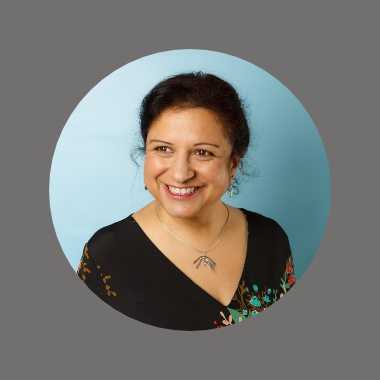
Dr Anita Devi
Nat Hall, M.Ed. Inclusive Education at the University of Dundee, is a Support for Learning Educator at Lerwick’s Anderson High School.
Her professional practice fuelled her M. Ed., and vice versa. She has pioneered a model of inclusive digital learning and teaching that integrates that of Assistive Technologies (ATs). Her master's research explores the impact of ATs on the wellbeing of secondary-school dyslexic and autistic learners in post-COVID Scotland. You can connect with Nat at Nat Hall - Shetland Islands Council | LinkedIn

Nat Hall
Sarah is a highly experienced Reflective Supervision practitioner with more than 15 years experience supervising educational professionals that work with children with complex SEN. Sarah’s work is grounded in relational ,trauma informed and inclusive approaches. Sarah is a specialist SEMH teacher for Nottingham INclude team, she has also been a Team leader, a researcher and trainer. Sarah’s vision is compassionate, inclusive schools where every educator feels seen, feels supported and that they belong. Sarah can be contacted: via linkedin @Sarah stockley and e mailed at stockley.supervision@outlook.com
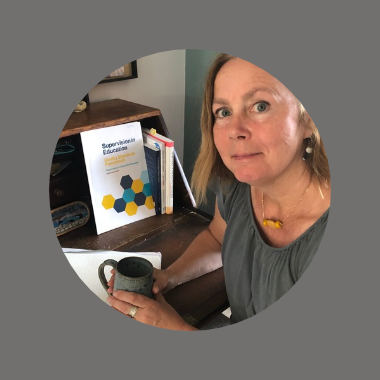
Sarah Stockley
Jasmine Miller is a PhD researcher at the University of Stirling, exploring how education promotes flourishing for neurodivergent young people transitioning to adulthood through a comparative study of Scotland and Denmark. She is an experienced international educator, educational leader, and consultant, having worked across mainstream, specialist and inclusive educational settings. Her professional and research interests focus on inclusive education, professional learning, ecological agency and the relational and systemic conditions that enable learners and educators to flourish. Jasmine is also an accredited professional coach and coaching supervisor, supporting professional growth and organisational development across educational contexts.

Jasmine Miller
Founder/Director of Talking Heads Supervision. A social enterprise which offers regular, robust supervision to support a whole educational setting approach in supporting safeguarding children and young people. We begin work with Senior leaders in all settings as we believe they a) need it for their role and b) it supports them in then embedding supervision elsewhere in the educational setting. A team of 48 Associates working with over 600 individuals across over 400 settings.
Lisa also oversees the Quality of the supervision work provided by Education Support as Leads Associate Supervisor. This will have reached over 3.5k senior leaders by 2027 and offers x6 fully funded supervision sessions over 6 months.
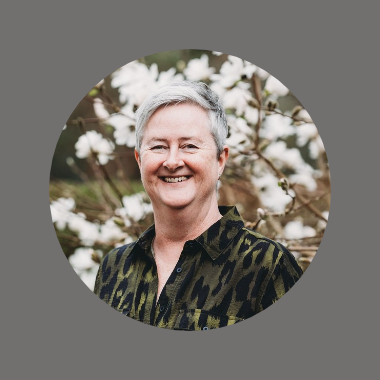
Lisa Lea-Weston
Alison Watson-Burge is a qualified teacher, primary SEND practitioner and postgraduate researcher studying
Character Education at the University of Birmingham. A former barrister, she brings legal and educational perspectives to questions of ethics, inclusion and professional judgement.
Her research examines how neurotypical expectations shape interpretations of behaviour, moral agency and character in education. Published in Ethics and Education in 2026, her work challenges compliance-based approaches to inclusion. Her current research explores relational phronesis: how educators can make context-sensitive, reciprocal and ethically defensible judgements when competing educational and moral goods are at stake.
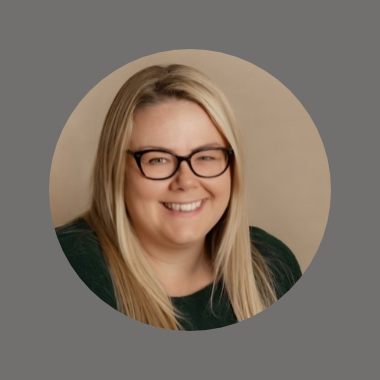
Alison Watson-Burge
Nicola Lace is an experienced specialist SEND leader, researcher and PhD student whose work focuses on learner voice, relational practice and inclusive education. She works across education, families, employers and local authorities to improve outcomes for young people with SEND. Drawing on both professional and lived experience, Nicola advocates for neurodiversity-affirming approaches that place the perspectives of learners at the centre of decision-making. Her interests include systems leadership, workforce development, supported employment and translating research into practical approaches that strengthen inclusion, belonging and meaningful participation.
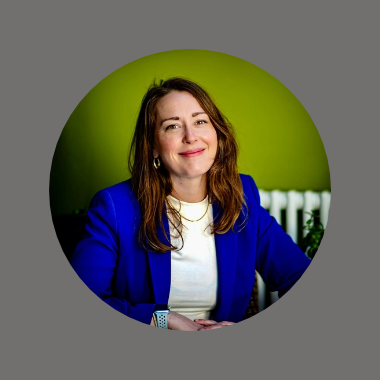
Nicola Lace
Sue has over 25 years of experience in sectors ranging from disability support within mainstream education and adult social care to Local Authority commissioning. Currently working for a national charity, she specialises in supporting services working with individuals with learning disabilities, autism, and complex needs. Following an MBA in Business she is now studying a Doctorate in Education, with a particular interest in relational pedagogy, learner voice and co-construction.
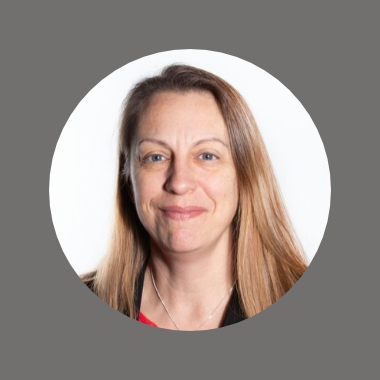
Susanne Jeffries
Caroline Door is a Young Learner Co-ordinator and SEND Champion with the British Council in Taiwan. Originally from the UK, Caroline has taught in both Portugal and Taiwan, specialising in Early Years education and inclusive English as a Foreign Language (EFL) contexts. As an educator with lived experience of neurodivergence, Caroline focuses on upskilling teachers who feel under-equipped to support diverse needs. In her session, she introduces a scalable micro-training framework and practical checklists designed to help educators curate immediate, bite-sized professional development for their own inclusive classrooms.
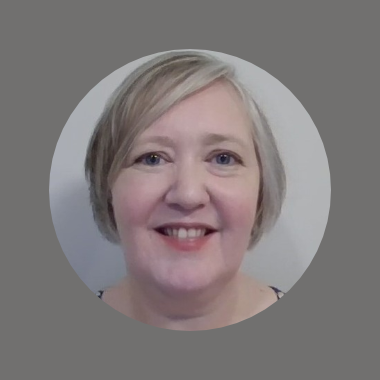
Caroline Door
Ian is an Assistive Technology Trainer who hopes one day to become a SEND teacher himself. He has a passion for making technology genuinely useful, rather than another bit of software gathering digital dust.
Having come through the SEND system himself as a wheelchair user, Ian brings both lived experience and practical knowledge to his work. Along the way, he's developed a knack for spotting what works, what doesn't, and what might work with a little common sense.
Away from work, Ian enjoys spending time with his wife, Anne, and their cats, who remain excellent assistants.

Ian Pugh
Calogero Iacona, PhD, is an Italian lower-secondary support teacher and researcher with interests in special and inclusive education, accessible learning, digital technologies and artificial intelligence for personalised teaching. His professional work focuses on adapting instructional materials, supporting classroom participation and developing reflective approaches to inclusive pedagogy. He contributes to academic discussions on professional learning and the critical use of technology in education. His conference presentation offers a practice-based perspective from the Italian school system.
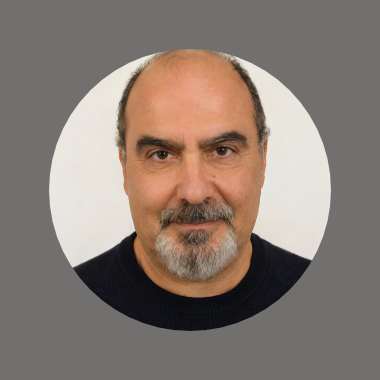
Calogero Iacona, PhD
Victoria Smithson is Headteacher of Felix House School, an independent specialist school supporting children and young people with social, emotional and mental health needs. With over a decade of experience across mainstream and specialist education, Victoria is passionate about trauma informed practice, relational approaches and inclusive school leadership. She holds a Master's degree in Education and the National Professional Qualification for Headship. Her work focuses on translating specialist SEMH practice into meaningful professional learning, helping educators move beyond traditional behaviour management towards understanding the underlying needs, experiences and relationships that shape children's behaviour.

Victoria Smithson
Halui Angus FCCT is a former headteacher and founder of The Excellence Classroom, an education advisory practice. She has over twenty years in UK education across mainstream, alternative provision and SEND, including as founding head of an autism specialist school. She now works with school and trust leaders on inclusion, SEND provision, safeguarding and governance. Halui is a Fellow of the Chartered College of Teaching, Education Trustee at Tove Learning Trust, a founding trustee of the SEN Foundation, and author of the Beyond Readiness books.
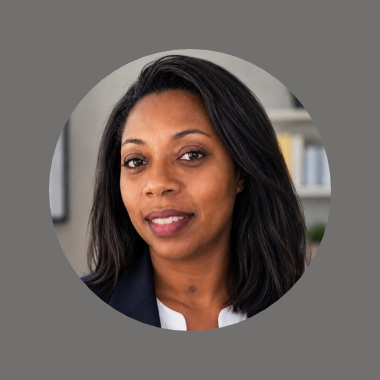
Halui Angus FCCT
I am privileged to be an educator at Beech Lodge, a specialist school that supports young people with social, emotional, mental health and learning differences - many of whom are care-experienced. Working within a relational, trauma-responsive community has shaped my interest in belonging, inclusion and humanistic approaches to education. I am also a second-year EdD student at Institute of Education, UCL, researching belonging through a special educational needs lens. My recent work explores what is most important to special educators in the workplace and how these factors influence their sense of belonging and the relationship between educator and student belonging.
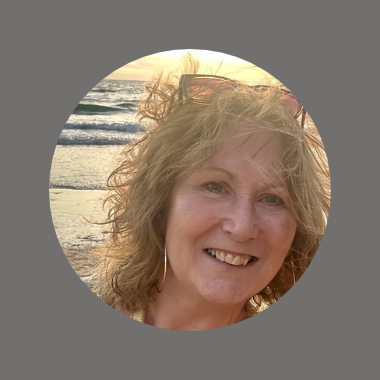
Stefanie Pearce
Binghan Liu is a doctoral researcher in Education at Brunel University of London. Her research focuses on generative AI in education, particularly AI-supported language learning, gamification, teacher education and inclusive pedagogy. She previously worked as a teaching assistant at a London secondary school, supporting students with SEND, and as a language teacher in China. She has also delivered professional development sessions for teachers on AI-supported lesson planning and inclusive teaching for SEND and EAL(English as an Additional Language) learners. Her current research explores how teachers exercise professional judgement when evaluating and adapting AI-generated lesson plans.

Binghan Liu
Cristina Motoca is a part-time doctoral research student at the University of Roehampton with 15 years of experience in England's early years sector. As a leader at Alton Community Playschool, she is passionate about SEND, inclusive practice and ensuring equitable access to early education, particularly for children experiencing disadvantage. Working closely with children, families, and other professionals, she is deeply interested in understanding their experiences, identifying barriers to inclusion, and exploring how their perspectives can inform more responsive, inclusive practice. Her professional experience informs her doctoral research on early years policy, workforce challenges, and the gap between policy intentions and practice.
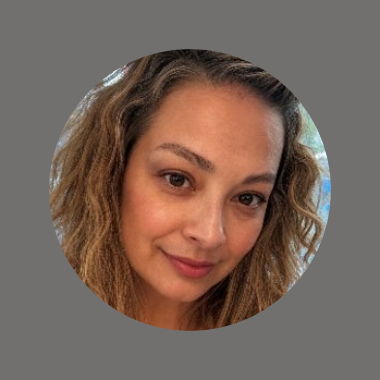
Cristina Motoca
Beth is a senior lecturer and research supervisor at the University of South Wales, as well as a freelance researcher, consultant, music therapist and inclusive music practitioner. Her research and practice is heavily informed by critical disability studies: exploring how disability is socially constructed, interpreted and represented across disciplines and pedagogy.
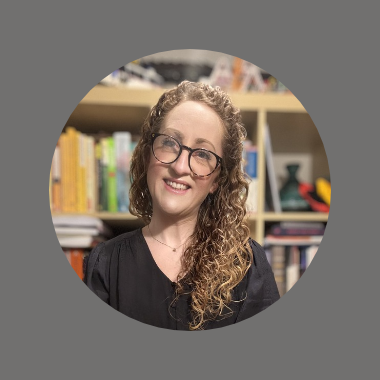
Beth Pickard
Jon Reid is an Associate Professor of Education at Oxford Brookes University, specialising in inclusive education, SEND and compassion-informed approaches, with a particular focus on improving outcomes for children and young people experiencing adversity. He is Chief Scientific Advisor for the Local Policy Lab, a collaboration between Oxford Brookes University, the University of Oxford and Oxfordshire County Council, and Vice Chair of the Institute of Recovery from Childhood Trauma. His work brings together research, policy and practice at local and national levels across education, health and social care.
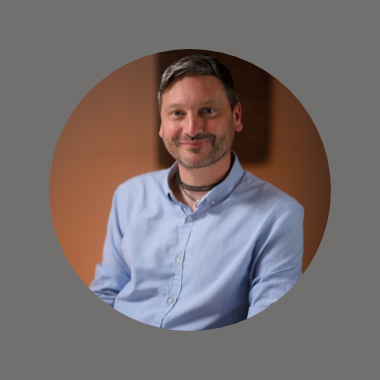
Jon Reid
Tristan is a Senior Lecturer in Education at the University of Gloucestershire, with expertise in Special Educational Needs, inclusive education and practitioner wellbeing. Tristan was also a primary school teacher for 18 years. During this time he became SENCo and a senior leader and specialised in working with children with social, emotional and mental health difficulties and developed a Nurture Group within his school, which he ran for 6 years. He has written many academic papers and books and book chapters about both Special Educational Needs and inclusive education. Tristan is co-Editor-in-Chief of the British Journal of Special Education.

Tristan Middleton
Tayyaba Rafiq is a researcher, human rights advocate, and co-founder of Aman Chaupal, a community-based initiative promoting education and social inclusion. She is pursuing a master's in education at Brunel University of London, specialising in inclusive education. Hailing from a remote village in Pakistan, she is passionate about challenging educational inequalities and making education accessible to every child. Her understanding of inclusion extends beyond disability to address barriers related to language, gender, religion, socioeconomic background, and other forms of marginalisation. Through her research and community engagement, she advocates for equitable education and the right of every child to learn and thrive.

Tayyaba Rafiq
Amy McFarlane is Programme Director of the MEd Early Years at the University of Aberdeen and an Associate Fellow of the Higher Education Academy. Her research interests include inclusive play pedagogies, early childhood development, professional learning, and supporting practitioners to create nurturing environments where all children can learn and belong.
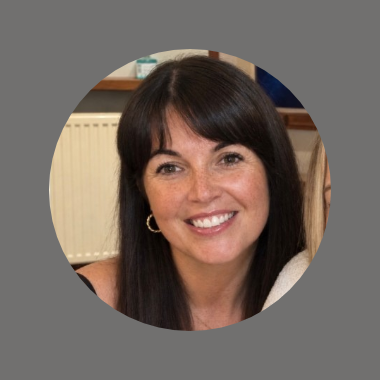
Amy McFarlane
Vicky Simpson is Programme Director for BA Childhood Practice at the University of Aberdeen and co-author of Play, Learn & Belong: Inclusive Play Pedagogies. Her work focuses on early years leadership, inclusive practice, play pedagogy, professional learning, and creating environments that promote participation, belonging, and positive outcomes for children and families.
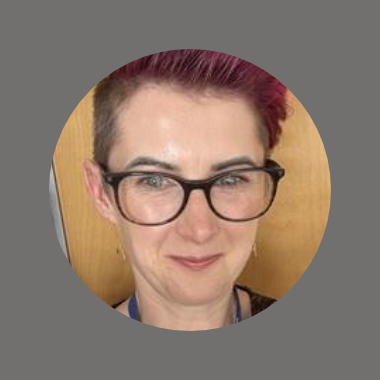
Vicky Simpson
Dr Shannon Babbie is Programme Director of Autism and Inclusive Practice at the University of Aberdeen and a Fellow of the Higher Education Academy. Her expertise centres on neurodiversity-affirming practice, inclusion, accessible learning environments, and collaborative approaches that enable meaningful participation and belonging for all children.

Dr Shannon Babbie
Maggie Stephenson is a Disability Services Manager and doctoral researcher with over 20 years’ experience working across the education spectrum in England, including primary, secondary, further and higher education. Her professional work focuses on SEND, disability inclusion and inclusive practice. Her research interests span educational equity, school choice, ability grouping and parent-professional partnership. Her doctoral research critically explores the Quality of Life of parent-carers of children with SEND, drawing on the Capability Approach to examine the relational, social and structural conditions shaping caregiving experiences. Her work brings together professional practice, research and lived experience to inform more inclusive and responsive educational approaches.
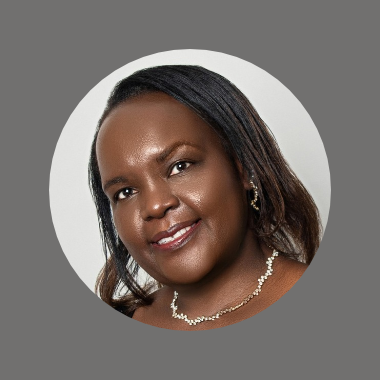
Maggie Stephenson
Agenda
| 9:00 – 9:30 | WELCOME & OPENING REMARKS Di Cantali & Philip Garner [Co-Editors-in-Chief, Support for Learning] | ||
| 9:30 – 10:10 | KEYNOTE ADDRESS: Title - Paths, Pitfalls and Possibilities: A Practitioner’s Research Journey Dr Emma Clarke [University of York] | ||
| Breakout Room 1 | Breakout Room 2 | Breakout Room 3 | |
| 10:15 - 10:35 | From SEND Knowledge to Classroom Change: Developing an EEF-Informed Professional Learning Framework for SENCos STAVROULA ALACHIOTIS-MERCHANT | Beyond Access: What the Evidence Says About Creating Inclusive Professional Learning NICOLA ARKINSTALL | The SENCO Problem ANITA DEVI |
| 10:40 - 11:00 | Beyond 21: Who Is Responsible for Lifelong Learning for People with PMLD? ANGELIQUE ANDERSON | Effective Behavioural Regulation Strategies as Support for Children with Autism Spectrum Disorder Within a Mainstream Context ELSA EKOTEBEKA | Exploring the Impact of Assistive Technologies (ATs) onto the Wellbeing of Dyslexic and Autistic/ASD learners in Post-COVID Scotland. NATALIE HALL |
| 11:05 - 11:25 | What if Reflective Supervision Could Influence Whole-School Culture? Exploring the Ripple Effects Beyond Individual Staff Wellbeing SARAH STOCKLEY | Beyond the Training Room: Co-Teaching, Professional Learning and Ecological Agency in Inclusive Education JASMINE MILLER | Missing Jigsaw Piece – Completing the Circle of Support LISA LEA-WESTON |
| 11:30 - 11:50 | Beyond Compliance: Rethinking SEND Professional Learning through Practical Wisdom ALISON WATSON-BURGE | Intervention & Inclusive Practice ANNA OSAROSE | Centring Multi-Stakeholder Voices in FE Learning Support: Advocating for Learners, Families, Teachers, Practitioners, and Local Authorities NICOLA LACE |
| 11:55 - 12:15 | A Relational Ecology of Learning: Extending Relational Pedagogy for Learners with Complex Learning Difficulties and Disabilities SUSANNE JEFFRIES | Using micro-training to support EFL teachers of young learners with inclusive practice CAROLINE DOOR | From Having Assistive Technology to Using It: What Can Teachers Actually Do? IAN PUGH |
| 12:15 - 13:00 | LUNCH | ||
| 13:00 - 13:05 | INTRODUCTION TO AFTERNOON SESSION | ||
| Breakout Room 1 | Breakout Room 2 | Breakout Room 3 | |
| 13:10 - 13:30 | Professional Learning for Inclusive Education: Digital Technologies and Artificial Intelligence for Personalised Teaching CALOGERO IACONA | Putting Disability into the Picture (Book): Impacts of Affirming Disability-Representative Resources and Professional Development on Inclusive Classroom Practice. SIAN JONES | Beyond Behaviour Management: What Mainstream Professional Learning Can Learn from Specialist SEMH Practice VICTORIA SMITHSON |
| 13:35 - 13:55 | Keeping SEND Language Current: The Professional Learning Gap HALUI ANGUS | “It’s part of what makes the school great — that we have all these different people,”: Teachers’ perspectives in a special school. STEFANIE PEARCE | Beyond the Prompt: Developing Preservice Teachers’ Professional Judgement for SEND-Inclusive AI-Supported Lesson Planning BINGHAN LIU |
| 14:00 - 14:20 | Access and inclusion in Early Years: What families and practitioners tell us about supporting children with SEND CRISTINA MOTOCA | Musical Connections: Centring Autistic Experience Through Values-Based Music-Making in Inclusion Bases BETH PICKARD & ALEX LUPO | Reflective supervision for school staff with safeguarding and pastoral responsibilities: professional learning for inclusive practice JON REID & TRISTAN MIDDLETON |
| 14:25 - 14:45 | Indigenous Pedagogies and Professional Learning in Rural Inclusive Education in Punjab, Pakistan TAYYABA RAFIQUE | Play, Learn & Belong: Inclusive Play Pedagogies AMY MacARTHUR, VICKY SIMPSON & | Beyond the School Gate: What Parent-Carers Can Teach Us About Professional Learning in SEND. MAGGIE STEPHENSON |
| 14:50 - 15:30 | CLOSING COMMENT: Enabling Transferability – from presentation to publication Di Cantali & Philip Garner [Co-Editors-in-Chief, Support for Learning] |