


Search results
Refine your search
Found results

Anna Hutchinson is an experienced education professional with a background in teaching, school leadership, and policy development. She began her career teaching across the primary key stages, developing expertise in classroom practice, assessment, and senior leadership. Anna later moved into an advisory role within a local authority, supporting schools to improve outcomes for children from minority backgrounds. For the past six years, Anna has worked for the Army Families Federation (AFF), advocating for improved education and childcare provision for military children. Her work is evidence-based and focused on shaping policy and informing decision-makers to reduce barriers and improve access.

Julie Lowe is the Policy Officer for Families, Homes and Communities at the Royal British Legion (RBL). Part of RBL’s Campaigns, Policy and Research team, Julie works to improve public policy and services that support children and families in the Armed Forces community, including special or additional education needs or disabilities. Qualified in adult and children’s nursing, Julie has experience across the Armed Forces charity sector, the Ministry of Defence and British Army.

The Twilight Talk will explore the role of attachment in education and how secure relationships can support regulation, engagement and learning.

Simon Currigan is co-founder of Beacon School Support, which supports more than 150 schools across the West Midlands and provides SEMH and behaviour guidance to 60,000 educators across the UK. He hosts School Behaviour Secrets, a top 15 UK education podcast with 750,000 downloads. With more than 18 years’ experience, Simon helps schools create inclusive, supportive learning environments using practical, evidence-based strategies. He previously worked as a mainstream primary teacher and in pupil referral units as both a teacher and centre manager.

Rob is the co-founder of The Dyscalculia Network, an organisation that provides training and advice for teachers and parents supporting pupils with maths difficulties.
He has over 15 years’ experience teaching young people with special educational needs. Over the past decade, he has specialised in supporting children who struggle with maths, working across both independent and state schools.
Rob is a member of the CRESTED Council, where he represents issues relating to dyscalculia and maths difficulties across specialist schools throughout the UK.
He holds an OCR Level 5 Diploma in Teaching Learners with Specific Learning Difficulties (Distinction) from Helen Arkell. He is also co-author of The Maths Difficulties and Dyscalculia Assessment, published by Jessica Kingsley Publishers in July 2025. This assessment is unique in that it not only measures scoring accuracy but also explores the strategies and techniques learners use when tackling key areas of foundational maths.
Rob has delivered presentations at a wide range of educational exhibitions and has worked with schools, colleges, and universities both across the UK and internationally.

Dr Yetta Wong is a lecturer at the School of Psychology, University of Surrey, whose work focuses on understanding the mechanisms underlying learning and development. With a background in psychology and cognitive neuroscience, she is particularly interested in developing new ways to accelerate learning and in translating research into practical strategies, with an emphasis on supporting learning of children and young people, including those with special educational needs and disabilities (SEND).

My name is Grace McGill. I am an eye care champion and have lived experience of learning disabilities, autism and sight loss.
I have been employed by SeeAbility for seven years, helping to get the Easy Eye Care Pathway for people with learning disabilities and autism commissioned – which has been successful across SE London - and promoting its use. I am passionate about making things better for people with a learning disability.

Malvi Patel is the Clinical Lead for SeeAbility’s Special Schools Eye Care Service, overseeing the delivery of equitable, specialist eye care across special schools for children and young people with learning disabilities and autism. She works closely with schools, families, multidisciplinary teams and hospital eye services to ensure vision needs are identified early and supported through school‑based care pathways. Alongside her leadership role, Malvi remains clinically active, spending one day a week delivering eye care directly in schools.

The Young Experts by Experience in Acquired Brain Injury (YEBEABI) is a diverse group of young people who have all experienced an acquired brain injury in childhood or adolescence. We support each other, share experiences and raise awareness of ABI within education, by discussing support strategies that we found helpful during our own return to education. We use our knowledge to create useful materials for teaching staff such as our ‘5 top tips’, because it is important to us that everyone has proper education regarding what having an ABI really means. Our mission is to create positive experiences in education for others who have brain injuries and make sure that everyone knows that you can still do amazing things, even if you have an ABI!

Dr Gemma Costello is a Specialist Educational Psychologist in Paediatric Neuropsychology. She is currently the Consultant Psychologist and Clinical Lead at the Cambridge Centre for Paediatric Neuropsychological Rehabilitation (CCPNR), working as part of an inter-disciplinary team, supporting children, young people and their families following Acquired Brain Injury (ABI).
Gemma is an active member of special interest groups in both paediatric neuropsychology and neurorehabilitation. She is committed to promoting the role of Educational Psychology in paediatric acquired brain injury, working with services across the UK and more recently contributing to Educational Psychology and Paediatric Neuropsychology training. Gemma is a member of the steering group of the National ABI in Learning and Education Syndicate (N-ABLES) which aims to identify ways to support education professionals in developing a minimum level of awareness and understanding about ABI and the educational requirements of this group of children and young people.

Joanna Woodhouse is a qualified teacher and SENCO with a Masters Degree in SEND and Inclusion. She has wide ranging experience of working with children and young people with Special Educational Needs. Professionally, Joanna has worked on the successful rehabilitation of children and young people with complex Acquired Brain Injury (ABI) to mainstream secondary educational settings. This has involved working collaboratively with colleagues in the health, care, and social sectors.
Joanna is a member of the National Acquired Brain Injury in Learning and Education Syndicate (N-ABLES) and co-chairs their Educational Professionals Advisory Group. She regularly delivers training, both locally and nationally, to teachers regarding the return to education and the provision and management of young people with an ABI.
In September 2019 Joanna’s own daughter sustained an ABI following a sudden accident. This traumatic event has given her a unique insight into the impact of an ABI on both young people and their families. Joanna has now left mainstream teaching and is able to dedicate more time to using her personal and professional knowledge and expertise to improve awareness, understanding and outcomes for children and young people with ABI.

Dr Emily Bennett is a Consultant Clinical Psychologist and Paediatric Neuropsychologist specialising in paediatric neuropsychology and neurorehabilitation at the Nottingham University Hospitals NHS Trust. She is the lead psychologist for the Trust’s paediatric neurorehabilitation (BRILL Team) service. Emily’s clinical work involves supporting children, adolescents and young adults with acquired brain injury (ABI) and complex neurological, neuro-oncological and neurosurgical conditions.
In addition to her clinical role, Emily lectures on local Doctorate, Masters and Undergraduate courses and is actively involved in research. Emily also collaborates with educational colleagues, to support the development of provision for CYP with an ABI in education. Emily is the Chair for the National ABI in Learning and Education Syndicate (N-ABLES) and has been involved in the ‘Time for Change’ work of UKABIF and the All-Party Parliamentary Group hoping to secure better awareness, provision, and support for people with an ABI.

BeReady Founder
Kyle Burrows is Chief Learning Officer at BeReady, where he works with the wider team to ensure training content is market-leading and responsive to the needs of the education sector. Before founding BeReady, Kyle owned and ran a corporate training company, delivering skills development programmes across the private and public sectors.

Chief Operating Officer
Kate Staples is Chief Operating Officer at Manor Hall Academy Trust, where she leads all business operations, including HR, estates, compliance, and strategic development. Appointed in 2020, she plays a central role in shaping the Trust’s operational strategy and ensuring schools are supported to deliver excellent outcomes. With a background in community leadership and public service, Kate brings a strong focus on collaboration, efficiency and impact. She is passionate about creating the systems and structures that enable staff to focus on improving the lives and opportunities of children and young people.

Dr Becky Baxter is Director of Education and Speech and Language Therapy at Down Syndrome UK. With almost 20 years of experience working with schools and families, Becky has successfully supported hundreds of children with Down syndrome of all ages across a range of education settings. Becky is committed to promoting evidence-informed practice and works with researchers to develop research priorities and projects to improve the speech, language, communication and education of individuals with Down syndrome.

Charlotte is an education researcher specialising in inclusion, digital alternative provision and the use of data to improve outcomes for learners with SEND. She leads a Knowledge Transfer Partnership between the University of Staffordshire and Nisai Learning, examining how digital learning can support students who are poorly served by mainstream education. Drawing on more than a decade in teaching, her work combines classroom experience, mixed-methods research and data analysis to explore what equitable digital provision looks like in practice.

Paul spent over 20 years as a special educational needs teacher, school leader and advisor in both mainstream and special education settings. As an educator his focus has always been on two key groups of young people; those with social and emotional difficulties, and those who are neuro-diverse – and on the significant overlap between the two. Paul is focused on the role that true innovation and positive disruption can play in creating change in education systems for the most vulnerable learners.

Martin Galway is the Head of Professional Learning and Partnerships at the National Literacy Trust. He is a Fellow of the English Association and previously worked as a teaching and learning advisor for the Herts for Learning Primary English Team. Martin is a former primary school teacher. His interests include early reading development and reading fluency instruction, grammar, literacy difficulties, and oracy. He has a particular research interest in the interactions between reading and writing and associated teaching practices. Martin is a regular speaker at national and international conferences on all aspects of English and literacy.
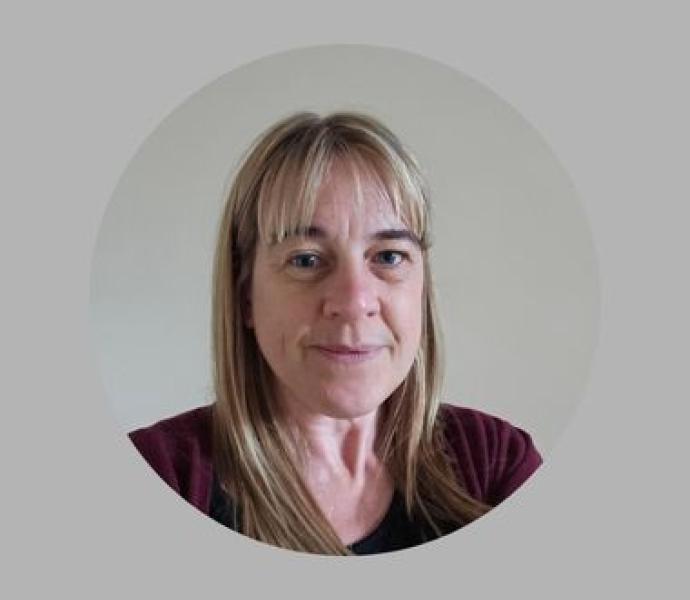
Lynn is the Head of Professional Standards at the British Dyslexia Association, where she promotes high standards in the assessment and support of individuals with specific learning difficulties through guidance, professional development, and evidence-informed practice.
She began her career as a teaching assistant before becoming a specialist teacher across secondary, further and higher education; she has also served as an Acting SENCo. Lynn holds an MA in Specific Learning Difficulties, with research focusing on self-esteem in individuals with dyslexia. She is an experienced assessor of dyslexia and dyscalculia and is passionate about improving outcomes for individuals who face barriers to learning.
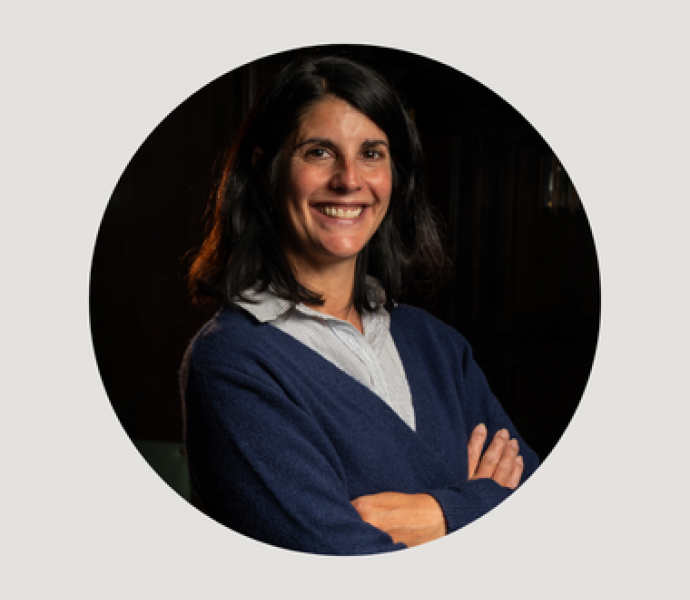
Rachel is the CEO of Ascent Academies' Trust, a six-school specialist MAT in the North East and North Yorkshire. In her twenty-eight years in education, Rachel has worked across the sector in special schools, a mainstream secondary school with resourced SEN provision and all age mainstream and specialist Multi Academy Trusts. Rachel has been a headteacher/executive headteacher for 15 years and took up the post of CEO in January 2025.
Rachel has been Nort East regional lead for Whole School SEND since 2019.
Rachel has a National Professional Qualification in Headship and Executive Headship, an MSC in Leadership and Organisational Change and is an accredited Coach. Rachel is committed to improving the quality of provision for all children and young people with Special education needs and disabilities and developing the professional practice of colleagues in all settings.