


Seminars and Panels
nasen LIVE 2026 - Panels
Explore the panel sessions for nasen LIVE 2026.
Join sector-led discussions on some of the key questions facing SEND, with opportunities to hear different perspectives, share reflections and contribute to the conversation.
Find panel titles, synopses and panellist details to see the themes being explored and the voices involved.
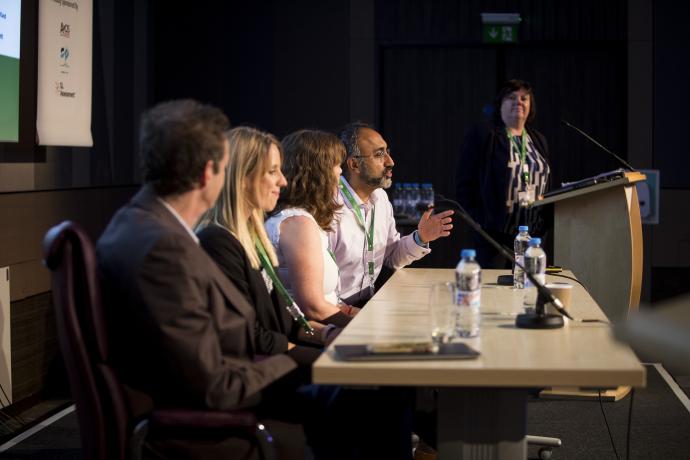
SEND Reform: opportunities and challenges
The proposed SEND reforms published earlier this year, outlined eagerly awaited plans to strengthen early identification, improve consistency of support, and ensure that all children and young people get the right provision at the right time. This panel will explore what these changes could mean in practice including the opportunities for children and young people, families, settings and services, and potential challenges around funding, workforce capacity, accountability and implementation.
Main Room ~ 11:20 - 12:00
This panel will be delivered by Adam Boddison OBE, Amanda Bernard, Annamarie Hassall MBE, Dominic Broad, Errol Comrie, Lorraine Petersen OBE, Natalie Packer & Trystan Williams


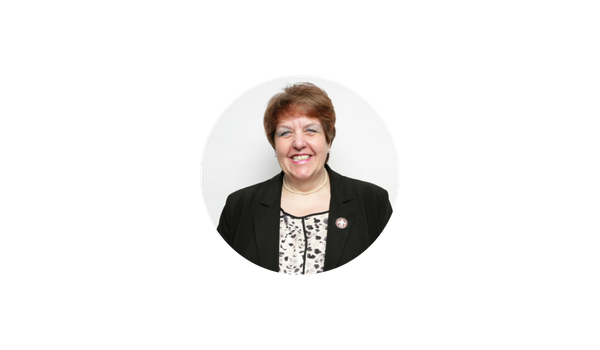
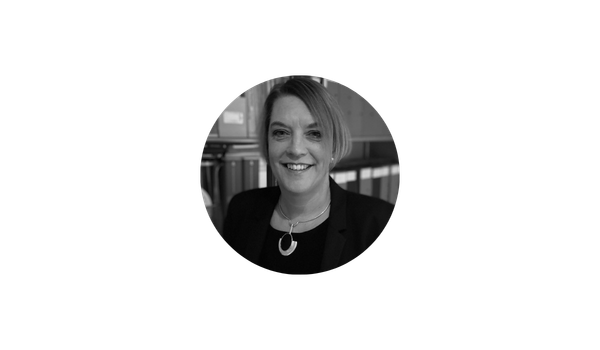

The SEN Practitioner: status, skills and support
As we enter a period of reform for SEND legislation, provision and practice, it is essential that SEN practitioners are equipped with the necessary status, skills and support to enable them to carry out their roles effectively. In this panel discussion, the co-authors of ‘The SEN Practitioner: status, skills and support, signed copies available today on the SEN Books stand, will consider what ‘status’ looks like in real settings, the core skills and knowledge needed to lead inclusive practice, and the conditions that help practitioners thrive. Join the conversation to consider what needs to change, and what we can do now, to strengthen the role and improve outcomes for children and young people with SEND.
Seminar Room 1 ~ 12:10 - 12:50
This panel will be delivered by Barry Carpenter CBE, Hilary MacMeekin, Jon Gibson, Julia Clouter, Dr Julie Wharton, Dr Lynda Kay & Dr Tristan Middleton

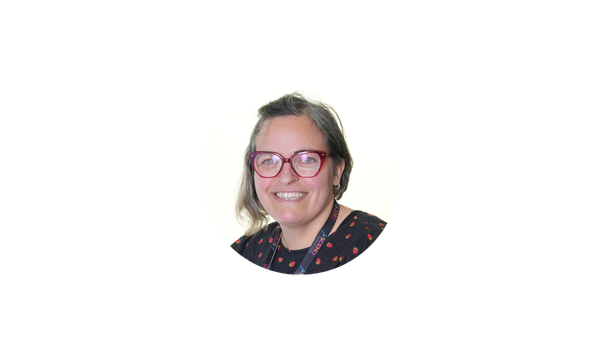
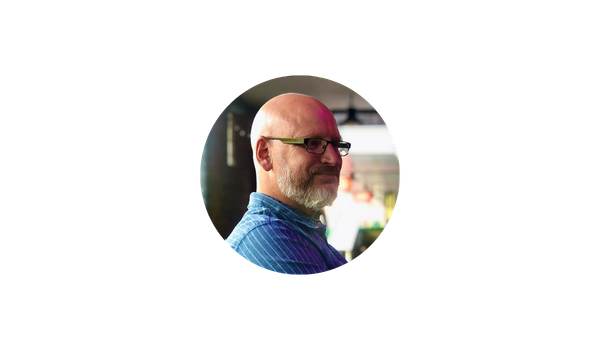


The National Year of Reading – what makes a reader?
Reading is a multifaceted activity which draws on a range of skills including phonics, decoding, sight vocabulary and comprehension. In an increasingly digital world, these skills for reading are used beyond the world of books and encompass both fiction and non-fiction. This opens up opportunities for the use of assistive technology, in all its forms, that may well be essential for some as well as useful for all.
This panel provides an opportunity to explore reading in all its forms and to consider how we can support and enable all children and young people to develop a life-long love of reading.
Seminar Room 1 ~ 14:30 - 15:10
This panel will be delivered by Simon Kitchen, Andrew Ettinger, Carol Allen, Mary Long, Rebecca Gonyora, Samantha McFarlane, & Dr Sarah Mosley




nasen LIVE 2026 - Seminars
Explore the seminar programme for nasen LIVE 2026.
Hear from SEND specialists as they share practical CPD, insight and strategies to support inclusive practice, provision and planning.
Find session titles, synopses and key delegate benefits to help you choose the sessions most relevant to your role.
Accessibility planning that drives inclusion, not just compliance
Ever feel like accessibility plans need improvement?
This session helps you to see what goes wrong and how things can be better.
You’ll be clear on how to lead, deliver or monitor your accessibility planning so that you see a real change in inclusion.
Seminar Room 1 ~ 13:40 - 14:20
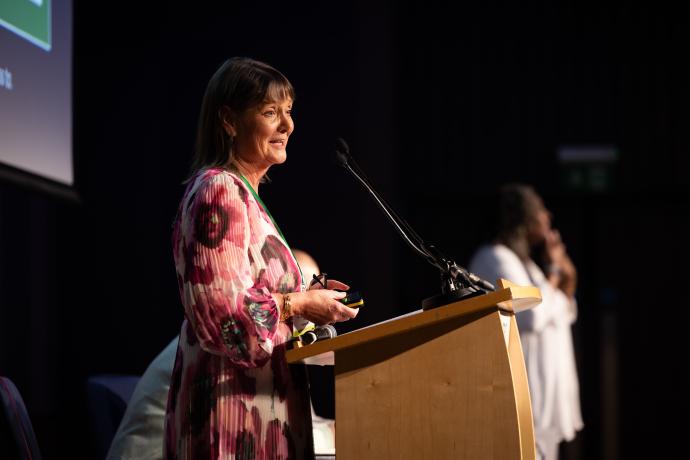
This Seminar will be delivered by Aaron King
- How accessibility is misunderstood and plans can often fail.
- How to use your accessibility plan to drive real change for inclusion.
- Examples of accessibility plans helping learners to achieve, belong and thrive.

An introduction to Specific Learning Difficulties in Maths and Dyscalculia
The seminar will cover definitions, context, co-occurrence maths anxiety, and indicators to look out for in the classroom. It will include information on the use of checklists and screening tools, the diagnostic process and assessment for intervention. It will include an overview of teaching intervention strategies for the classroom
Seminar Room 2 ~ 10:10 - 10:50
This Seminar will be delivered by Rob Jennings and Cat Eadle
- Gain a better understanding of Specific learning difficulties, dyscalculia and
Maths Anxiety - Improve knowledge on how to identify and support learners with dyscalculia
or maths difficulties in the classroom.


Assistive Technology in Primary Schools: From Classroom Tools to Strategic Impact
This session examines how assistive technology can enhance pedagogy in primary schools, shifting from an add-on resource for SEND to a core teaching tool. It supports both teachers and leaders in planning sustainable implementation and offers practical strategies for purposeful classroom integration, guided by reflection, practical strategy and case studies.
Seminar Room 2 ~ 15:35 - 16:15
This Seminar will be delivered by Stacey Jukes
- Understand the role of technology in transforming primary school pedagogy and the shift from add-on to core teaching tool.
- Identify opportunities for strategic, whole-school sustainable implementation and the importance of integration within current practice.
- Strategies to foster collaboration and professional growth for successful implementation that aligns with long term goals.
- Reflect on the demonstrated impact of key strategies from a case study.

Beyond Readiness: High Expectations and Literacy for Every Learner
This session explores why meaningful, progressive, age-respectful literacy education is an entitlement for every pupil, including those with complex needs and non-speaking learners. We examine how expectations shape opportunity, what inclusive literacy looks like in practice, how barriers can be removed, and how partnership with families strengthens progress.
Seminar Room 2 ~ 11:20 - 12:00
This Seminar will be delivered by Chantal Bryan OBE & Sarah Giles
- Understand how expectations influence literacy access and
outcomes. - Recognise how labels can unintentionally limit opportunity.
- Identify key principles of meaningful, age-respectful literacy teaching.
- Consider practical ways to remove barriers to participation.
- Reflect on actionable steps to strengthen inclusive literacy in their
setting.
From Barriers to Breakthroughs: Turning Tricky Parent Meetings into Powerful Partnerships
This powerful speaker session introduces the VOICE framework — a clear, memorable approach to building trust, reducing conflict, and creating calmer, more collaborative partnerships with parents that improve outcomes for every child.
Main Room ~ 15:35 - 16:15
This Seminar will be delivered by Emma Shackleton
- Practical, actionable strategies to create psychological safety
- A clear understanding of how to apply the VOICE framework to set up meetings for success
- Tips and scripts to reduce tension and conflict
- Improved confidence in managing challenging conversations effectively

From Missed Needs to Meaningful Support: Strengthening SEND Provision Through Early Intervention and Inclusive Practice
This session will explore the long-term impact of unidentified (SEND) and the systemic challenges that prevent early and effective support in schools.
It will begin by examining how unidentified needs can lead to academic underachievement, school anxiety, exclusion, and poor mental health, with a focus on how behaviour is often misinterpreted as defiance rather than communication of unmet need.
Main Room ~ 14:30 - 15:10
This Seminar will be delivered by Errol Comrie
The session will explore three key pressure points within current SEND provision:
- Weak universal provision and its impact on escalation of need
- Lack of clarity within the graduated response (Universal, Targeted, Targeted Plus)
- Workforce challenges, including training, capacity, and consistency
Building on this, the session will align these challenges with the direction of the 2026 SEND reforms, particularly the emphasis on earlier intervention, stronger accountability, and improved multi-agency working.
From the Ground Up: How Teacher Enquiry Can Transform Inclusive Practice
Close-to-practice inquiry by educators can bridge gaps between policy and classroom realities. Drawing on the work of Whole School SEND and Camtree, who have worked together to develop the new WSS Inclusive Practice Hub, we explore how educators and schools can become producers of knowledge, driving inclusive practice.
Seminar Room 2 ~ 14:30 - 15:10
This Seminar will be delivered by Amanda Wright and Patrick Carmichael
- Find out about the range and scope of close-to-practice research carried out as part of Whole School SEND and now accessible via the Inclusive Practice Hub.
- Learn about models of collaborative, close-to-practice inquiry that they can use to develop their own adaptive, inclusive practice.
- Find out about the work of Camtree’s digital platform in promoting, supporting and publishing close-to-practice research to share and amplify teacher voices.


From Transition to Transformation: Preparing for Secondary and what really helps young people thrive.
Transition is more than a move between schools—it’s a social, emotional, organisational and cultural shift. This session examines how strategic planning, early preparation and consistent communication can transform the transition experience for pupils, especially those with SEND. Delegates will gain practical tools to improve systems and strengthen cross phase relationships.
Seminar Room 1 ~ 15:35 - 16:15
This Seminar will be delivered by Dawn Cranshaw
- Recognise the relational and emotional dimensions of transition
- Explore inclusive strategies that support wellbeing and belonging
- Strengthen collaboration between primary and secondary staff
- Understand how to prepare pupils and families through structured support
- Identify next steps to enhance transition in their own context
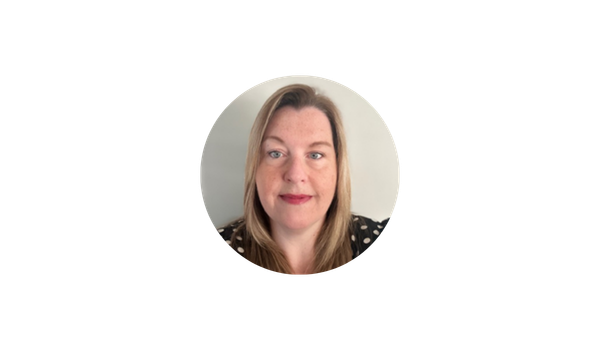
The Inclusion Illusion: Why presence alone is not inclusion
In a system under increasing pressure, schools are striving to be inclusive, but do all children truly feel they belong? Blending professional expertise with lived experience as a kinship carer to a neurodivergent child who masks, this session explores the difference between physical presence and authentic inclusion.
Main Room ~ 12:10 - 12:50
This Seminar will be delivered by Clive Lawrence OBE
- Reflect on the difference between integration, participation, and authentic inclusion
- Explore how children and young people with SEND may experience exclusion despite being physically present in school
- Develop greater understanding of masking, anxiety, and emotional safety in neurodivergent children
- Consider the value of combining professional insight with lived experience when shaping inclusive practice
- Explore how belonging and relational practice underpin successful inclusion
- Identify practical approaches to strengthening inclusive culture within their own settings
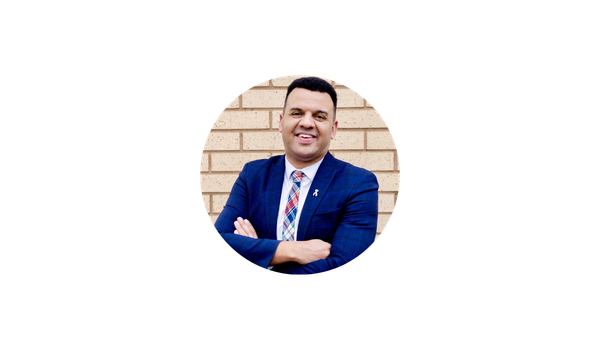
Inclusion Support Bases with purpose
Many settings are now forming internal provision in response to rising need. This session introduces a practical framework to help leaders keep provision purposeful, reviewed and connected to meaningful learning and appropriate next steps.
Seminar Room 1 ~ 10:10 - 10:50
This Seminar will be delivered by Faye Whittle
- Clarify the purpose of internal provision within their own setting
- Understand how to keep provision reviewed, time-limited and aligned with the graduated approach
- Strengthen links between internal provision, meaningful learning and appropriate next steps
- Leave with a clear framework to evaluate and refine their current or emerging model
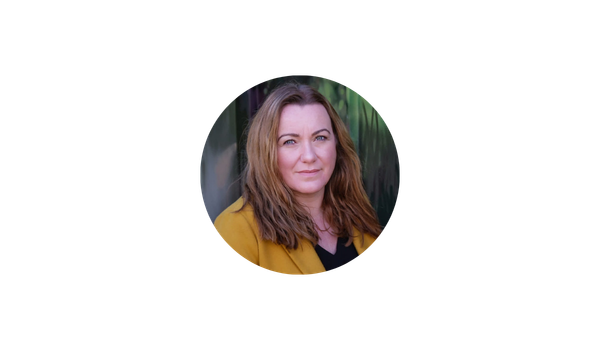
Navigating the SEND Landscape
This session offers a big picture look at the external SEND environment, exploring the forces driving reform and the direction of travel for schools and trusts.
Main Room ~ 10:10 - 10:50
This Seminar will be delivered by Erica Wolstenholme
Designed for leaders to step back from operational detail to consider:
- What’s changing?
- What’s emerging?
What leaders need to be thinking about next?
Helping schools and trusts position themselves with confidence as expectations around inclusion continue to evolve.
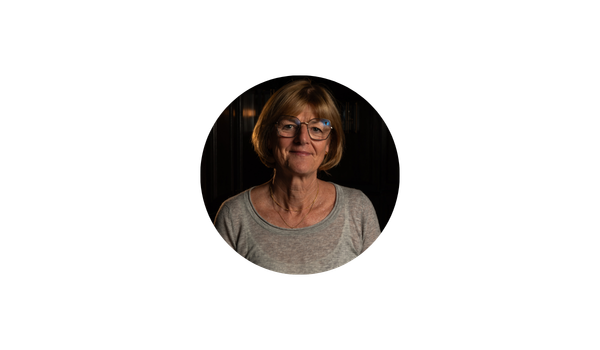
Race, SEND & Intersectionality
This session presents action research examining how race, SEND, and intersectionality shape identification and referral processes. Drawing on literature and staff interviews, it explores systemic bias, trust, leadership, and anti‑racist practice, offering practical reflections on embedding intersectionality into SEND systems and organisational culture.
Seminar Room 2 ~ 12:10 - 12:50
This Seminar will be delivered by Jason Selormey
- Understand how race, ethnicity, and other intersecting identities shape SEND identification and referral processes.
- Recognise how systemic bias, subjective criteria, and institutional practices can lead to over‑ or under‑representation of particular groups within SEND.
- Apply an intersectional lens when reflecting on learner behaviour, assessment, and referral decisions.
- Identify the role of leadership, representation, and organisational culture in creating equitable SEND systems.

Shared Expertise, Stronger Schools: A Specialist-Mainstream Collaborative model
Mainstream schools face rising SEND complexity. Matt McArthur (Special School Outreach Lead, Oxfordshire) shares a collaborative model where special schools empower mainstream settings. Discover how shared expertise and specialist Inclusion spaces can transform inclusion and improve outcomes for every child through proven, sustainable practice.
Seminar Room 1 ~ 11:20 - 12:00
This Seminar will be delivered by Matt McArthur
- Participants will learn about what an LA-funded Specialist-Mainstream Outreach model looks like (Oxfordshire example)
- Participants will learn about the impact that special schools can have when they are used as strategic assets for whole-system improvement
- Participants will be sign-posted to practical benchmarks for driving sustainable, high-quality inclusive practice, including the strategic integration and effective use of internal, specialist resource provisions within mainstream settings.
Times of Change? Including all in the joy of reading!
We are working in times of exponential change and yet the four pillars of education i.e. speaking, listening, reading and writing remain the same. 2026 is designated the National Year of Reading but what does this look like for those who need Assistive Technology, of any type, to access printed text? What does this look like for those who require alternative access to books and storytelling? This lively session will be full of practical ideas that you can take away and use in your practice and will cover a range of technologies from low tech, home made resources through tried and tested commercial resources to the power of AI and an exploration of what this can offer to our learners.
Seminar Room 2 ~ 13:40 - 14:20
This Seminar will be delivered by Carol Allen
- Consider an inclusive definition of Reading and its importance in the educational world.
- Understand the role of thee environment in access to Reading activities.
- Gain an understanding of the role of Assistive Technology when undertaking Reading activities.
- Leave with a range of practical ideas to try, adapt and implement in their own practice.
What is the Best SEN STRATEGY? It might not be what you think!
With teacher stress at record highs, burned-out educators can't co-regulate the children who need them most. Rowena Hicks reveals why you are the most powerful SEN strategy in your setting, and shares sustainable, low-energy tools to protect your wellbeing while helping students thrive.
Main Room ~ 13:40 - 14:20
This Seminar will be delivered by Rowena Hicks
- Understand why YOU are the most powerful SEN strategy and how your nervous system impacts children's regulation.
- Discover, share and discuss sustainable SEN strategies that prevent burnout while effectively supporting students.
- Apply practical tools including Window of Tolerance, energy accounting, and co-regulation techniques.