


Search results
Refine your search
Found results

nasen is delighted to announce a new partnership with BeReady, who join us as headline sponsor in a collaboration designed to strengthen support for the SEND workforce.

STEP Together in-person event, 11 October in London
Join blind and partially sighted students for a free day of workshops, advice and connections to prepare for further or higher education.

A new report that examines the practice of internal exclusion, the temporary relocation of a pupil from their classroom to a designated isolation space as a consequence of disruptive behaviour, has been published.
October 2025
We’re proud to reveal the winning individuals and settings for the nasen Awards 2025, celebrating excellence in SEND and inclusive education.
October 2025
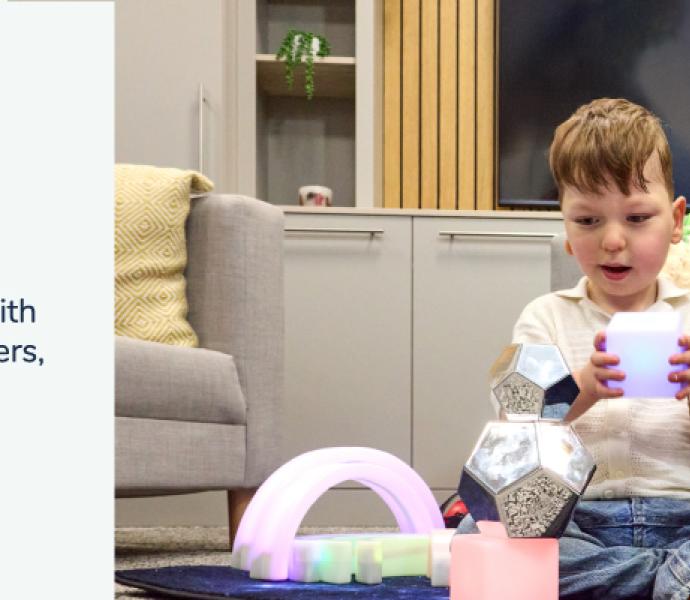
New platform offers practical advice and resources for families of children with SEND

Oct 2025
The British Journal of Special Education (BJSE), an official nasen journal, seeks two Editors-in-Chief to shape the future of SEND research and publishing. Join a dynamic team, influence the field, and contribute to this international journal.

October 2025
We’re thrilled to announce that nasen is a proud Supporter of the Schools & Academies Show Birmingham, 19-20 November. This flagship event welcomes over 6,000 visitors who share a passion for innovation and excellence in education.

November 2025
More online shopping is done in November than any other month of the year – that’s a huge funding opportunity for your school or setting if you’re using easyfundraising. If you’re not, there’s no better time to join!

November 2025
We welcome the publishing of the Curriculum and Assessment Review final report. The findings fill nasen with hope that this is the beginning of change, ensuring that there is a real move towards inclusion for all.

Jacqueline Smith is the National SENCO for Progress Schools, a senior education leader and doctoral researcher with more than 13 years’ experience across mainstream, specialist and post-16 education. She leads SEND strategy across 11 schools nationally and specialises in inclusive practice, complex needs and improving outcomes for learners with SEND.
November 2025
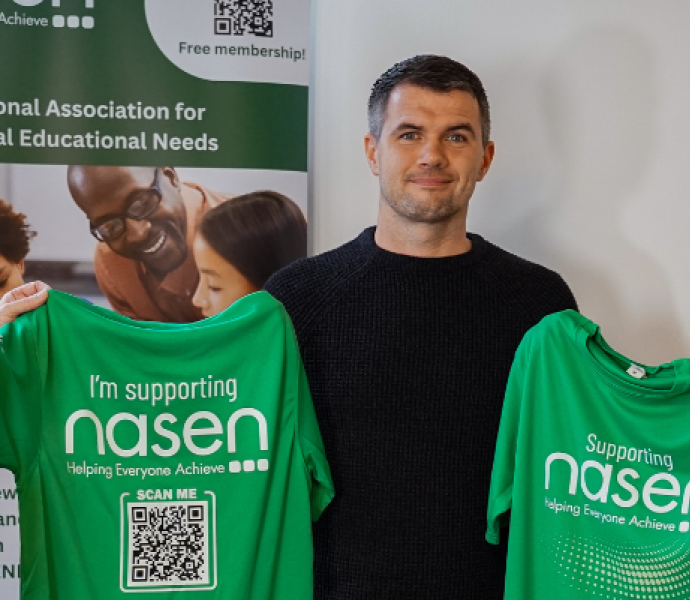
We’re delighted to share that Jake Gurney, a dedicated primary school teacher from Luton, will represent nasen as our first-ever runner in the 2026 TCS London Marathon.

Clare is a teacher, SEMH Consultant, educational psychotherapist, author, speaker and advocate for children’s mental health and wellbeing.
Clare has worked in primary schools, mental health and education provision and within Child and Adolescent Mental Health Services (CAMHS). She has led on national initiatives for local authorities as the Social and Emotional Aspects of Learning (SEAL) Consultant, leading on training, curriculum implementation and development as well as the local coordination of the National PSHE CPD programme.
Clare was co-author and co-creator of Jigsaw PSHE, a Senior Trainer and Supervisor for Trauma Informed Schools (TISUK) and is a Consultant and Adviser for Optimus Education. She is the author of Hamish & Milo Wellbeing Resources.
nasen Supports First Armed Forces Rugby League Cymru Cadet Cup and Remembrance Day Ceremony, Promoting Inclusion for All Young People.
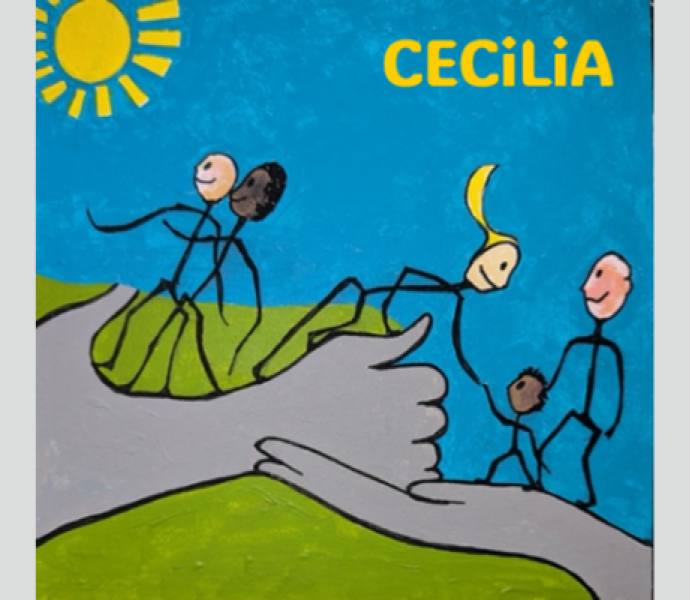
Project CECiLiA, an evaluation of Care (EduCatIon) and treatment reviews for people with Learning Disabilities and Autistic people, have launched a national survey study to find out more about how people experience C(E)TRs.
December 2025
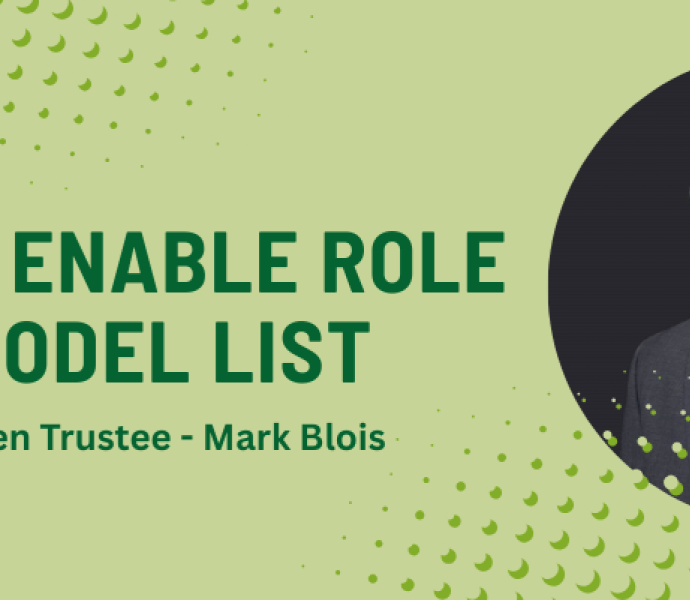
nasen trustee Mark Blois has been recognised as one of 50 global leaders on the 2025 Enable Role Model List for his outstanding commitment to disability, neurodiversity and mental health inclusion.
Ofqual has launched a 12-week public consultation on its proposed approach to regulating on-screen exams in GCSEs, AS & A levels. The proposals aim to support innovation while protecting fairness, standards & integrity of England’s qualifications system.

The Department for Education has launched the second call for evidence as part of the formal review of the NPQ suite.

The Council for Disabled Children has launched three guides to the disability duties in the Equality Act for schools.
December 2025
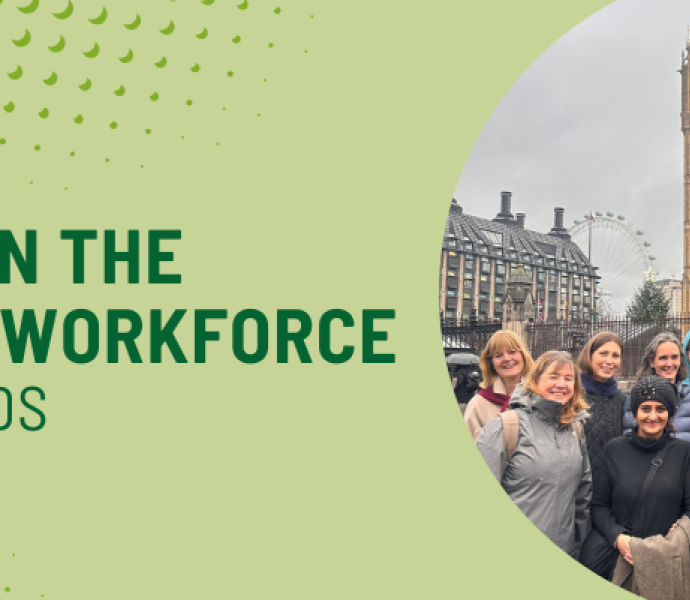
At a House of Lords reception, nasen shared compelling evidence that professional development for educators is the key to driving meaningful, long-term improvements for learners with SEND
![nasen Twilight Talks Promo Image [text reads 'Twilight Talks. Join free webinars with speakers from across the SEND and Education sector' alongside a cartoon image of an owl on a branch and a stock image of a person on a laptop]](https://asset.nasen.org.uk/styles/690_600/public/media/2023-01/nasen%20Twilight%20Talks%20Promo%20Image%20Final.png?h=59f14d13&itok=nJz_SSdk)
Hear from specialists across the sector on a range of different topics relating to SEND and additional needs. As well as developing knowledge and awareness of different elements of SEND, there will be points for reflection and practical take aways.